"You Know Your Loved One Better Than Any Doctor Ever Will"

You notice the small changes before anyone else: memory that’s not as sharp, a new tremor, which medication helps or harms. Right now that knowledge lives in your head, in notes, and in voice memos. When you get to the clinic you have 12 minutes to explain six months of subtle changes — and the care team still doesn’t have the full picture.
The Invisible Burden of Medical Coordination&quot

You managing care that no system was designed for. Until now.

Coordinating care for multiple family members is harder than it should be—not because you don’t care, but because the healthcare system isn’t built for caregivers. Your mom’s lab results are in one portal, doctor notes in another, and her medication list is outdated at home. Specialists don’t always communicate, prescriptions overlap, and important updates slip through.

You see her every day and notice changes doctors miss, yet your insights never make it into her medical record. After each visit, you’re left juggling follow-ups, prescriptions, scheduling, and symptoms—some get done, some get forgotten, and none of it fits into a system designed for families like yours.
Scattered Records Across Multiple Portals, Paper, and Files

Your family's complete medical history is nowhere—it's everywhere. Hunting for one lab result takes 30 minutes.

Specialist Silos: Nobody Sees the Full Picture

Each doctor knows their specialty. None of them know what the others are doing. You're the only one who connects the dots.

The Information You Have Never Makes It Into the Record

You notice the tremor. You track the side effects. You catch the memory changes. None of that becomes part of the official medical record.

Appointment Notes Disappear Into the Void

You write down what the doctor said. You list the action items. Then what? It sits in a notebook or note app. Nobody else knows. Tasks slip through.

Follow-Through Collapses Across Your Family

After an appointment: "Did someone order that test?" "Did we call about the referral?" "When is she supposed to start the new medication?" Without one place to track it, things get missed.

Medication Conflicts Nobody Catches

Your parent's doctors don't know what each other prescribed. You're the only one tracking the full medication list. One wrong interaction could cause serious harm.

One Home for Everything Your Family's Healthcare Needs

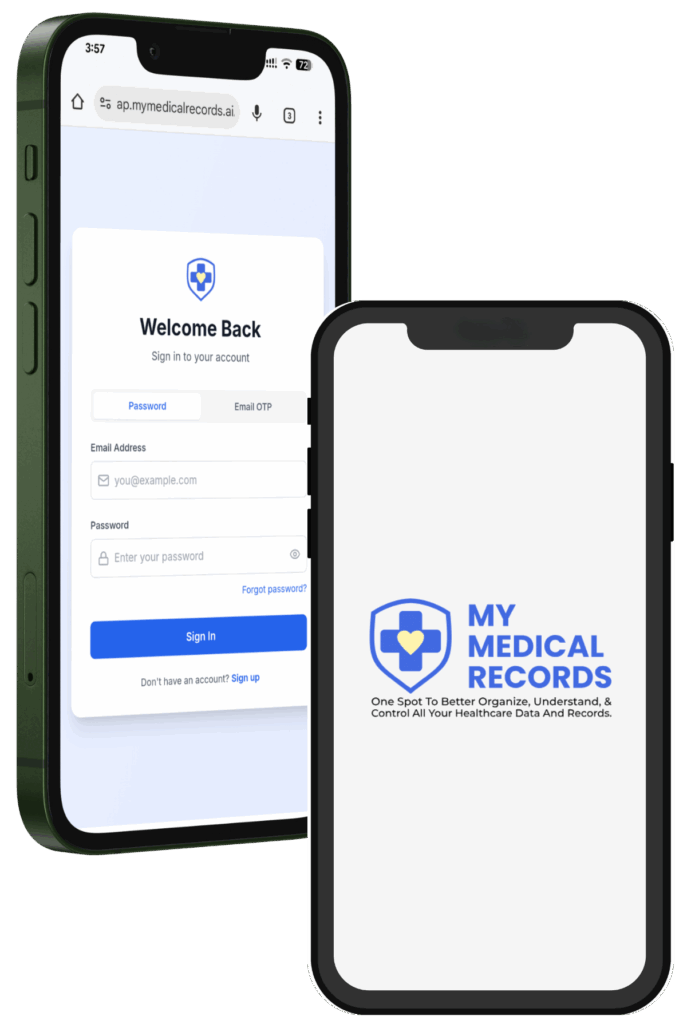
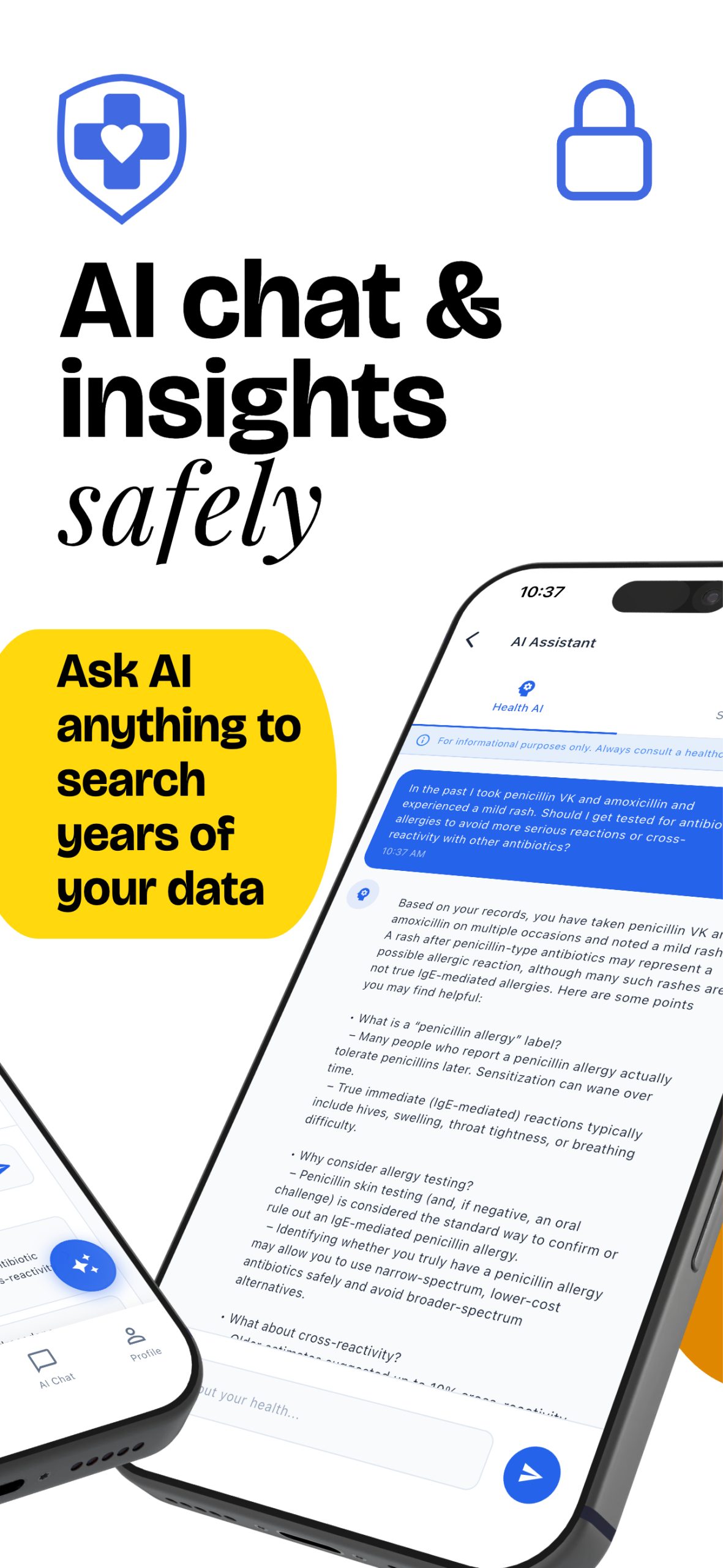
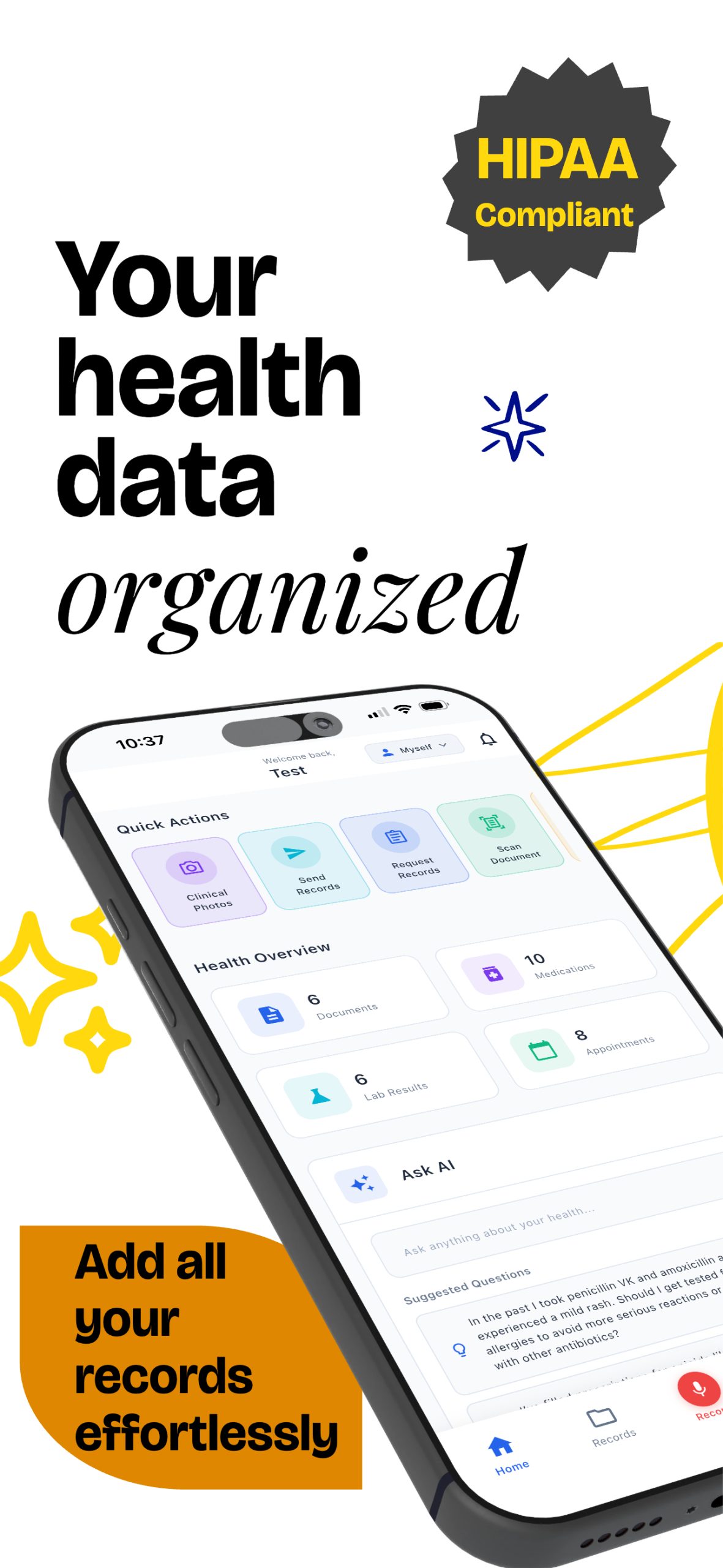
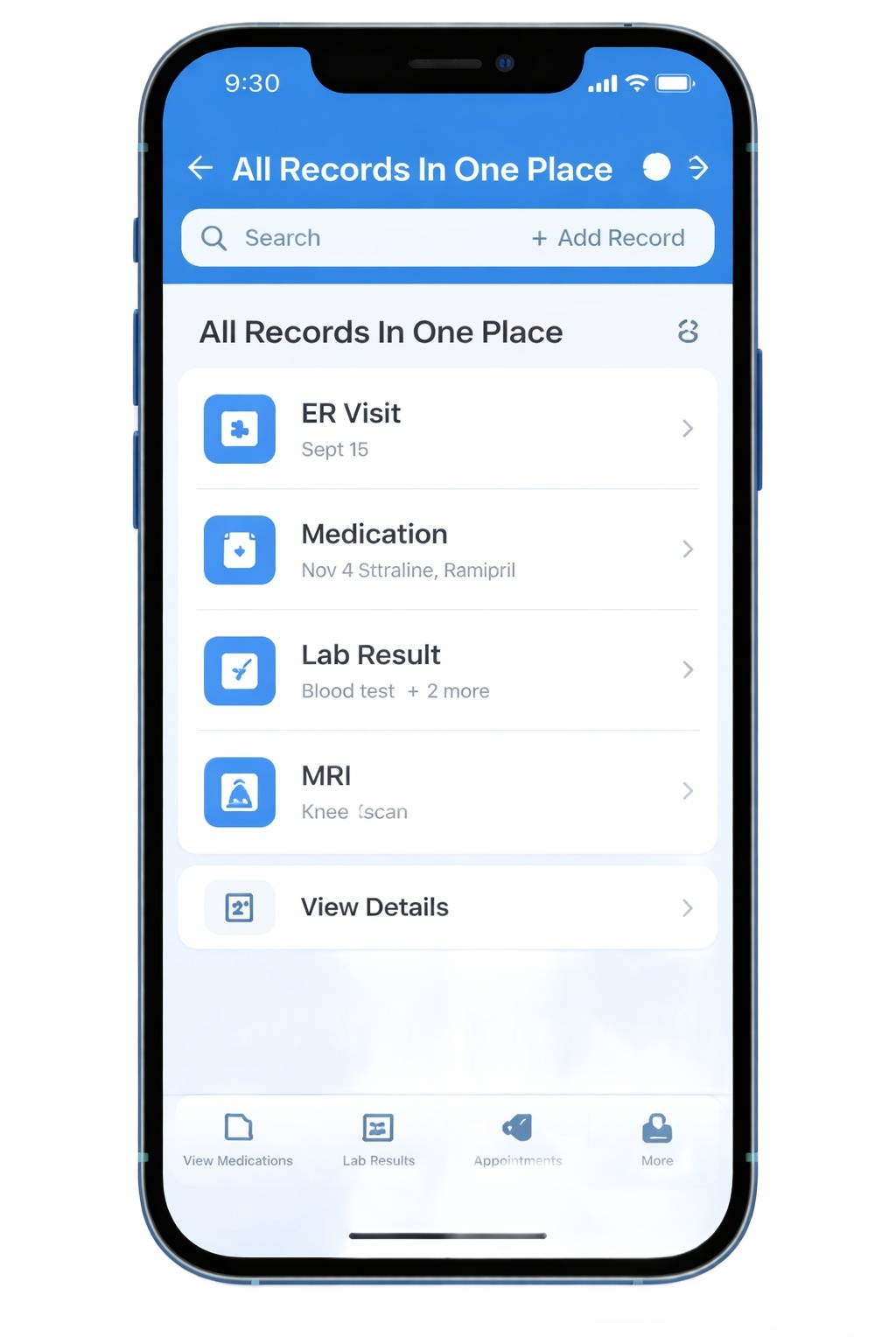
Instead of scattered files, confusing portals, and outdated papers, your family’s complete health history lives in one organized, searchable place. Add records from providers, upload documents, connect patient portals, or forward emails—we organize everything automatically, with no manual sorting.

Search across all family members instantly.
“What was Mom’s last cardiology blood pressure?” One search.
“Does anyone have a penicillin allergy?” Seconds, not 15 minutes of digging.

Your family’s health is organized the way you think—by person, condition, date, or visit—not the way clinicians do. You’re a caregiver, and your system should work the way your mind works.

  • Upload, Scan, Connect: Add documents from any provider, scan physical records with your phone, connect to patient portals to pull records automatically
  • Intelligent Auto-Organization: Medical records automatically organized by type (medications, lab results, visit notes, imaging, test results, etc.) without you lifting a finger
  • Search Across Everyone: Find any piece of information across your entire family’s records in seconds
  • Timeline View: See each family member’s health events chronologically so patterns emerge
  • Access Anywhere, Anytime: Desktop, tablet, phone. Your family’s health accessible when you need it
  • HIPAA-Compliant, Secure Storage: Healthcare-grade encryption and security
  • Document Versioning: Keep track of updates—see how information changes over time
  • Pre-Visit Preparation: Checklist of questions, space to note recent observations, quick access to relevant medical history
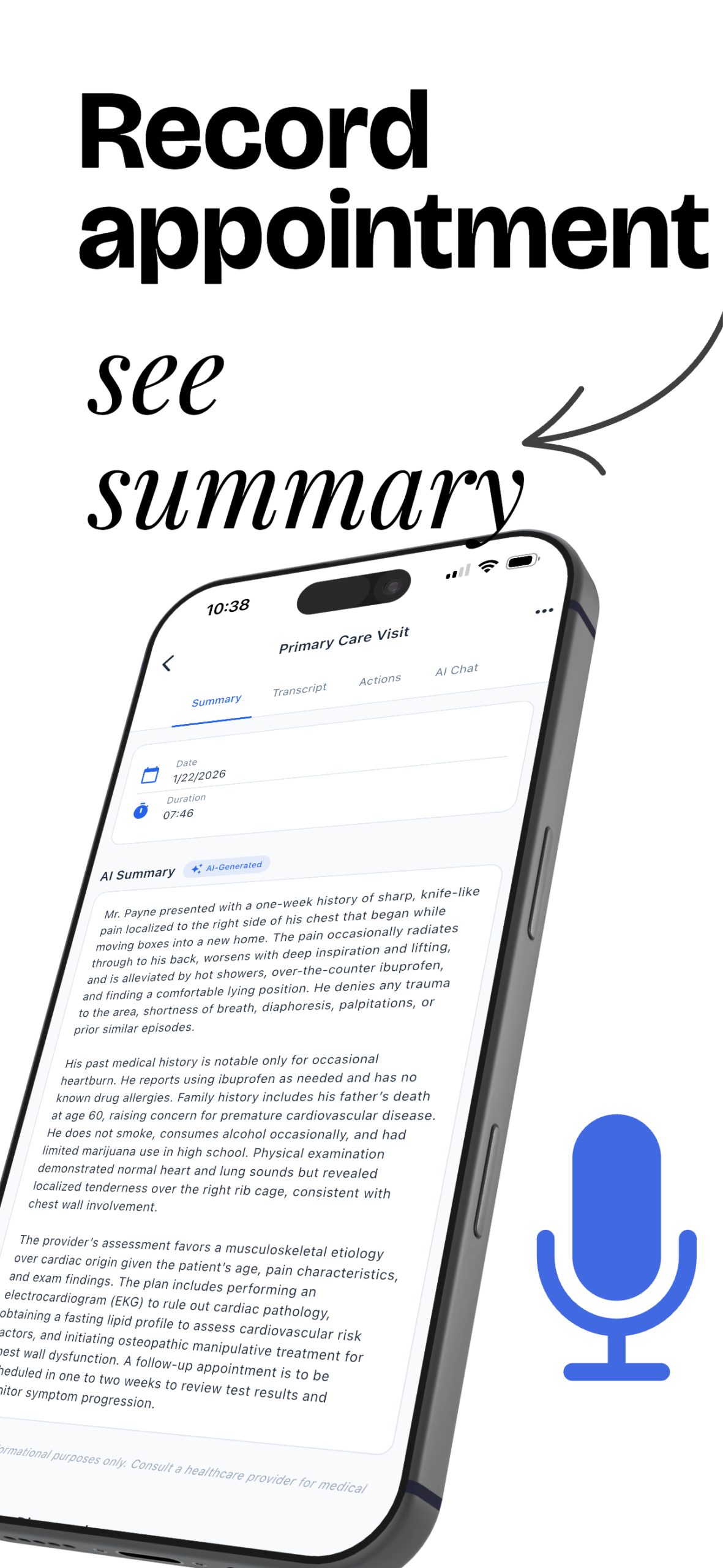
  • Easy Note Capture: Typed notes, voice memos, or appointment recording with automatic transcription
  • AI-Structured Visit Summaries: Automatic extraction of key clinical information, treatment changes, and action items
  • Auto-Convert to Reminders & Tasks: Visit information automatically becomes reminders and to-dos
  • Assign Tasks to Your Team: Assign tasks to a specific family member so it’s clear who’s responsible
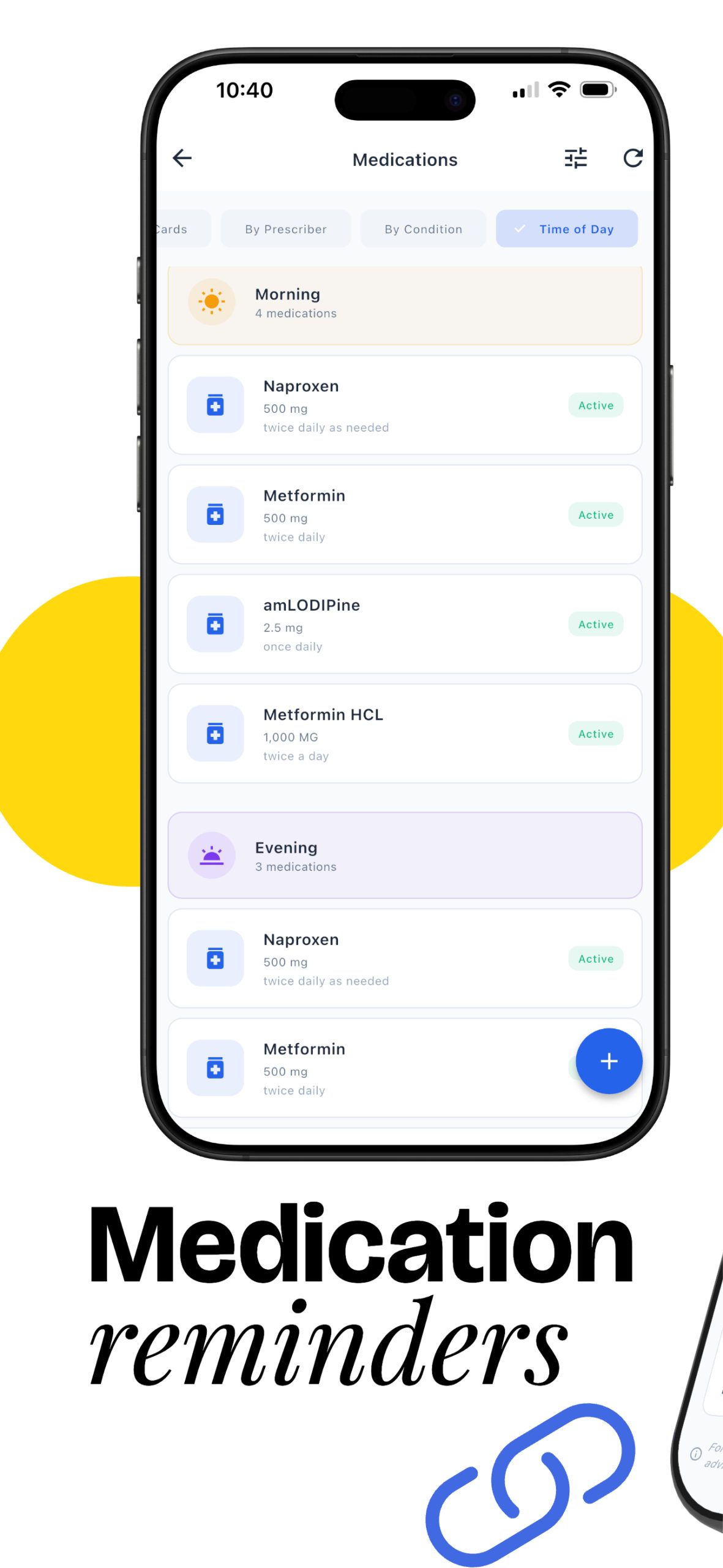
  • Medication Entry from Visits: New medications automatically added with interaction checking
  • Follow-Up Tracking: Know when scan results are due and when to call for test results

Turn Every Appointment Into Coordinated Action

Here's what happens at most medical appointments: the doctor gives important information. You try to write it down while listening, but you miss half of it. You come home and try to reconstruct what was said. You create a mental to-do list: "Call about the test result," "pick up the new prescription," "watch for that side effect."

Then life happens. You forget who was supposed to do what. The prescription sits in a cabinet because you weren't sure if it started yet. The test result comes back but nobody knows to follow up. The symptom to monitor slips your mind until three weeks later.

Share What's Needed. Control Everything Else.

Family caregiving often requires collaboration. You can't do it alone. Your sibling needs to help. Your parent's healthcare proxy needs access. Your parent's doctors need the information.

But "sharing" shouldn't mean "give everyone access to everything."

Your brother needs to know about medication reminders and appointment coordination. Does he need access to your parent's mental health notes? Probably not. Your parent's cardiologist needs to see the cardiac history, medications, and recent changes. Does she need the full psychiatric history? Not necessarily.

You should be able to give your sibling one role, your parent's proxy another role, each specialist exactly what they need, and keep sensitive information protected.
  • Role-Based Access: Define roles (caregiver, family helper, specialist, temporary support) with preset permission levels
  • Granular Permissions: Control at the record level—some can view-only, others can edit, others see only specific conditions
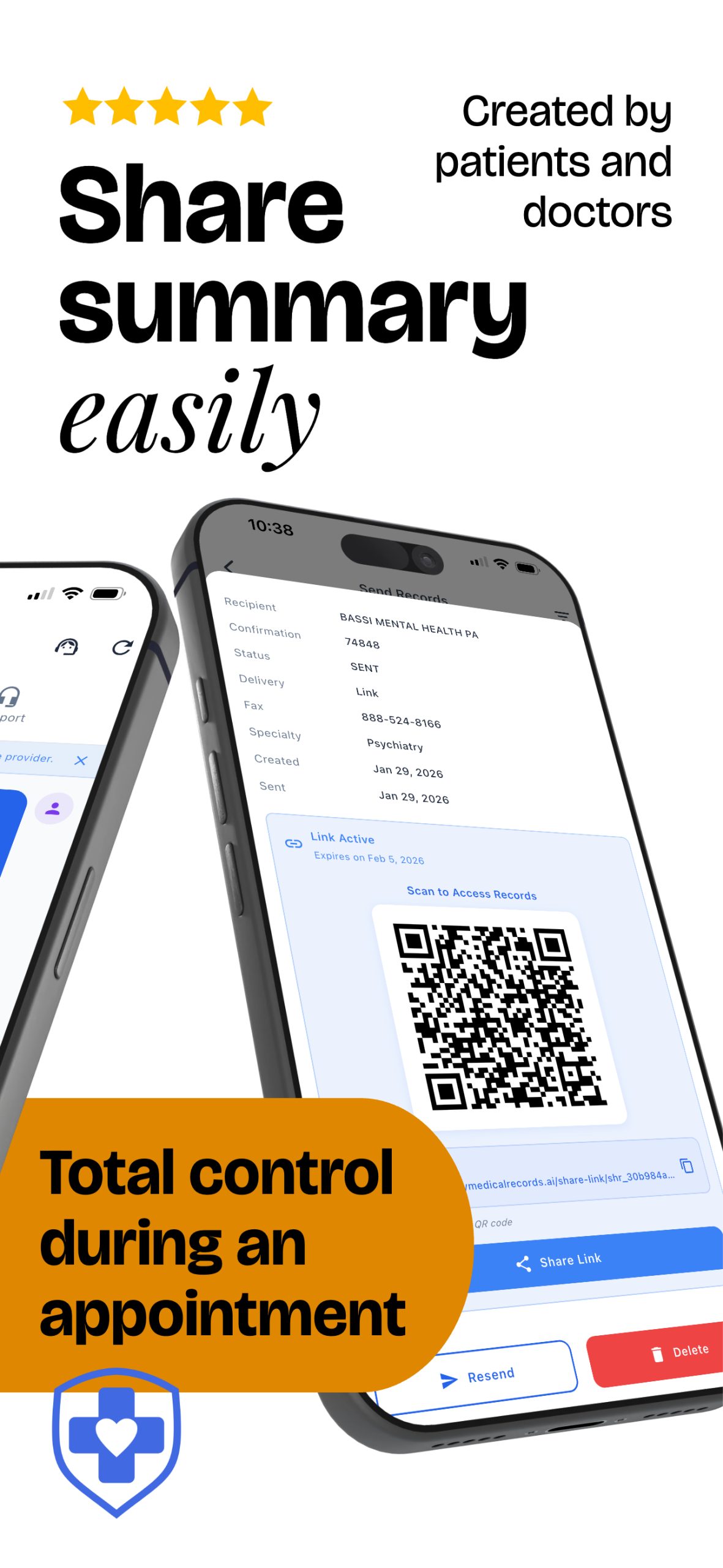
  • Time-Based Sharing: Grant access for a specific timeframe—then it automatically expires
  • Separate Sharing Rules Per Person: Your mom’s records have different sharing than your dad’s
  • Audit Trail & Access Logs: See who accessed what, when, and for how long
  • Revoke Access Anytime: Turn it off immediately with one click
  • Real-Time Drug Interaction Checking: Every new medication checked against the complete family medical picture
  • Allergy & Contraindication Alerts: Flagged before a prescription is filled if there’s a conflict
  • Cross-Family Checking: Sometimes interactions matter across family members (shared household, genetic risks)
  • Supplement & OTC Interaction Checking: Checks interactions with over-the-counter medications and supplements too
  • Medication Reminders & Refill Tracking: Never miss a dose and never run out unexpectedly
  • Side Effect Monitoring: Track how each family member reacts to new medications

Medication Safety That Works Across Everyone

Drug interactions are one of the leading causes of preventable medical errors. But here's the thing: most systems only check medications within one person's record.

Your mom's cardiologist prescribes a new blood pressure medication. Your mom's rheumatologist—who sees your mom separately—doesn't know about it. So he prescribes something that interacts dangerously. Your mom's primary care doctor would have caught it, but she's at a different health system and only sees the med list from the previous visit.

You're the only one who knows both medications exist. And you're not a pharmacist.
Caregivers Trust Us

Real stories from families managing complex care.

"I was spending 4 hours a week hunting through files, calling doctors, and trying to remember what each specialist said. I've got my own kids, my job, my aging parents—I was drowning. Now I find everything in seconds, my siblings actually help because we're all looking at the same information, and my parents' doctors finally see the complete picture. I got my life back."

Sarah Chen, 48, Managing care for both aging parents + two teenage kids. Saves 4+ hours per week

"I almost didn't catch that the new medication the doctor prescribed would interact badly with my dad's diabetes medication. We use different pharmacies, and no system was connecting them. Then I noticed the alert in the app. I called the doctor immediately. She was grateful we caught it. That alone made this worth it."

Michelle Thompson, 55, Dad on 7 medications. Prevented medication error; saves 1+ hour per week

"My mom has three specialists—cardiology, rheumatology, oncology. They weren't talking to each other. One prescribed something that conflicted with another doc's plan. I was in the middle trying to keep everyone informed. Since we started using this, the medication interaction alert caught a dangerous combination that would have seriously hurt her. But beyond that—her doctors actually coordinate now. And I'm not the middleman anymore."

James Rodriguez, 52, Primary caregiver for parent with multiple chronic conditions. Prevented serious medication error

"I live 400 miles from my mom. My sister lives nearby and does most of the daily care, but we're supposed to coordinate. Before this, Mom would tell one of us something important and forget to tell the other. Appointments would happen and we'd find out days later. Now we're both logged into the same system. We see appointments together, we see notes together, my sister can flag things for me to follow up on, and we never miss anything."

David Park, 45, Long-distance caregiver. Eliminated miscommunication between caregivers
Why Caregivers Choose My Medical Records

You've probably tried other solutions. Here's why they fall short.

Spreadsheets & Files: You own your data, but you’re also responsible for organizing it. No coordination features. Doctors can’t access it. Family members get confused versions.

General Health Apps: Built for individuals, not family caregivers. Don’t connect multiple people’s information. Most focus on fitness/wellness, not serious medical coordination.

Separate Tools: You need four different subscriptions: calendar, note-taking, medication reminder, file storage. They don’t talk to each other.

Traditional Patient Portals: Only show one person’s records from one health system. Don’t cross-reference across specialists. Don’t support family caregiver workflows.

Our Platform: Unified multi-person health record. Automatic coordination across all family members and providers. Built specifically for how caregivers think and work. One subscription covers everything.

Get Started in Minutes

From setup to coordinated care—here's what happens.

Step 1: Create Your Family
Add Yourself and Your Family

Start by adding yourself as the primary caregiver. Then add each family member you're coordinating care for. Takes 2 minutes.

Step 2: Add Medical Records
Bring in Your Family's Medical History

Upload documents from home, scan paper records with your phone, connect to provider portals, or forward records from emails. We organize everything automatically.

Step 3: Set Up Sharing & Invite Your Team
Invite Specialists, Family, and Helpers

Share exactly what each person needs to see. Give your brother access to appointments and medication reminders. Give your parent's cardiologist only cardiac records. Full control, zero confusion.

Step 4: Start Using It
Let Coordination Happen Automatically

At your next appointment, take notes in the app. We structure them. Convert them to reminders and to-dos. Get medication safety alerts. Watch everything coordinate in real- time. That's it.

Frequently ask questions

Questions? We've Got Answers

Yes. We use high grade encryption—the same security standard hospitals use. All data is stored on secure, redundant servers with automatic backups. Access is controlled by your permission settings.
No. We provide simple, secure access—either a shareable link or a portal they can log into with one click. They see exactly what's relevant to them, organized for their specialty. No IT setup required.
Yes. You can upload files from any provider, connect to their patient portals, forward records, or scan physical documents with your phone. We handle the organization automatically.
Absolutely. This is designed for exactly that. Many families coordinate care for aging parents with multiple conditions, adult children with chronic illnesses, and their own health—all in one account. Each person has their own records and separate sharing controls.
You have complete control. You set permissions for each person individually. Give your brother access to appointments and medication reminders but not mental health records. You can revoke access anytime, set expiration dates, and see a complete audit trail.
No, but it's better than a patient portal alone. Patient portals only show records from one health system. We unify records from all your family member's providers and specialists in one place.
Pricing Plans

Transparent, Affordable, and Built Around Your Needs

Whether you’re an individual managing personal health records or a team handling high-volume medical data, our pricing is designed to give you maximum value. Pay only for what you need, upgrade anytime, and enjoy full access to secure, reliable tools built to streamline your process.
$0
For Life
Always Free
No hidden fees
$8.25 / mo
(Billed yearly)
Premium
No hidden fees
$299
One Time Payment
Lifetime
No hidden fees

Ready to Get Started?

Join thousands of users who trust MMR Platform with their medical records