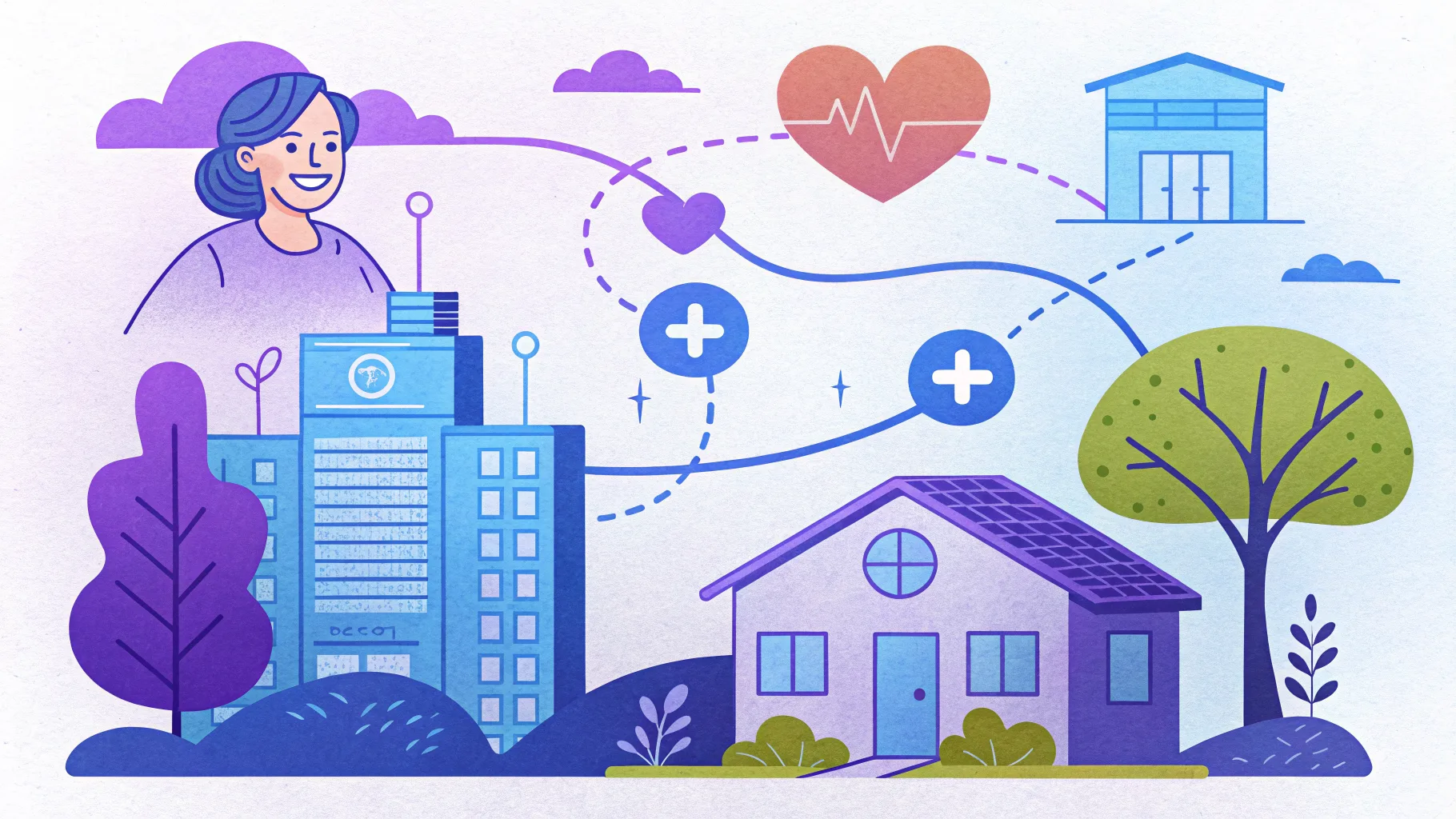
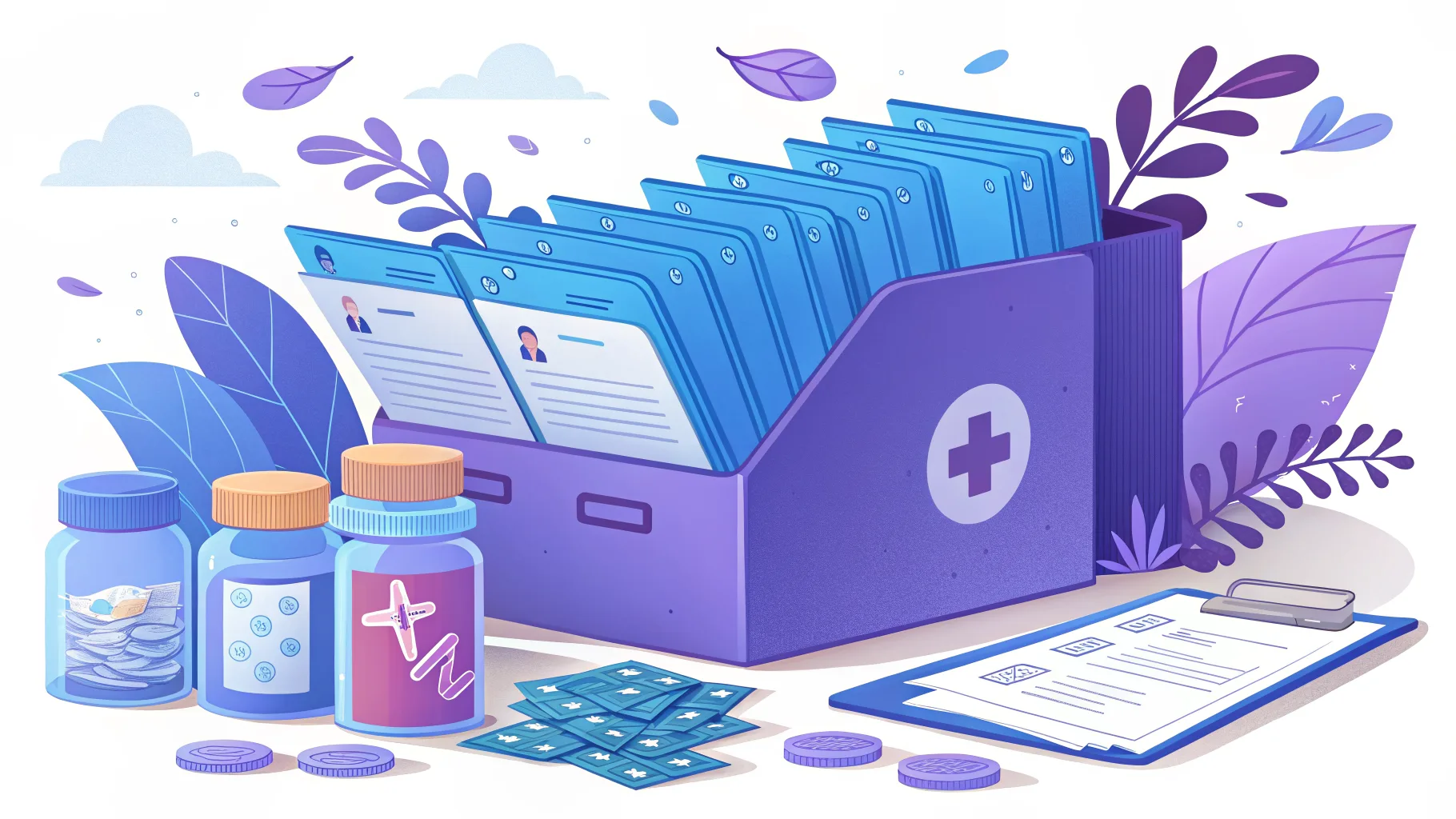
Our platform connects home health agencies, senior living facilities, skilled nursing facilities, care advocates, and case managers to complete medication lists, recent hospitalizations, and patient-reported outcomes.
When your patients leave the hospital, you often find out days later—if at all. Without real-time discharge information and updated medication lists, your clinicians walk into the home blind, increasing the risk of **adverse events and avoidable readmissions.**

At the same time, HHVBP ties your Medicare revenue to outcomes you cannot fully control without better data. You are expected to reduce hospitalizations, improve patient function, and document it perfectly in OASIS, but your team is still chasing faxes and portal logins.
Your nurses feel the squeeze: more pressure to hit HHVBP quality targets, less time with patients, and constant worry that a missed discharge summary or undocumented medication change will hurt both care quality and your performance score.
Admission paperwork arrives incomplete, and your team spends **45+ minutes per resident** tracking down home health visit notes and dialysis records before you can safely reconcile medications.
Medication errors during transitions may cause patient harm, thereby threatening your quality measures tied to value-based programs. These gaps put at risk bonus opportunities and referral relationships that increasingly depend on demonstrable performance on rehospitalization, safety, and patient outcome metrics.
You juggle multiple portals and wait days for records from each provider, just to piece together a basic picture of the patient. Faxing authorizations and following up on missing documents consumes the limited time you have with people who need complex care coordination.
On top of that, each organization documents things differently, so you spend extra time interpreting inconsistent notes and running your own spreadsheets to track high‑risk patients across settings. The constant documentation and administrative burden contribute to **stress and burnout.**
Your care managers navigate multiple EHRs manually, spending **12+ hours per week on record retrieval** instead of coaching high‑risk patients. Documentation gaps jeopardize CMS CCM billing compliance and reduce the number of patients your team can safely manage in a given month.
On top of that, prior authorization and benefit-check workflows add more phone calls and follow‑ups, creating delays that frustrate both patients and clinicians. Frequent rework from missing or inconsistent data increases burnout, turnover risk, and onboarding time for new staff.
Instant notifications when patients are admitted, discharged, or transferred across any connected facility.
Pre-populated medication lists from home health, dialysis, and LTC pharmacy systems updated in real-time.
Patients report symptoms and complete PROMs between visits, automatically shared with all providers.
Role-based communication that replaces faxing and phone tag with documented conversations.
AI-powered alerts identifying patients at risk for readmission, falls, or adverse drug events before they occur.
Time-tracking and pre-populated assessment templates that support Medicare and Medicaid billing compliance.
Organization-specific KPIs showing HHVBP performance, readmission rates, medication adherence, and care gap closures.
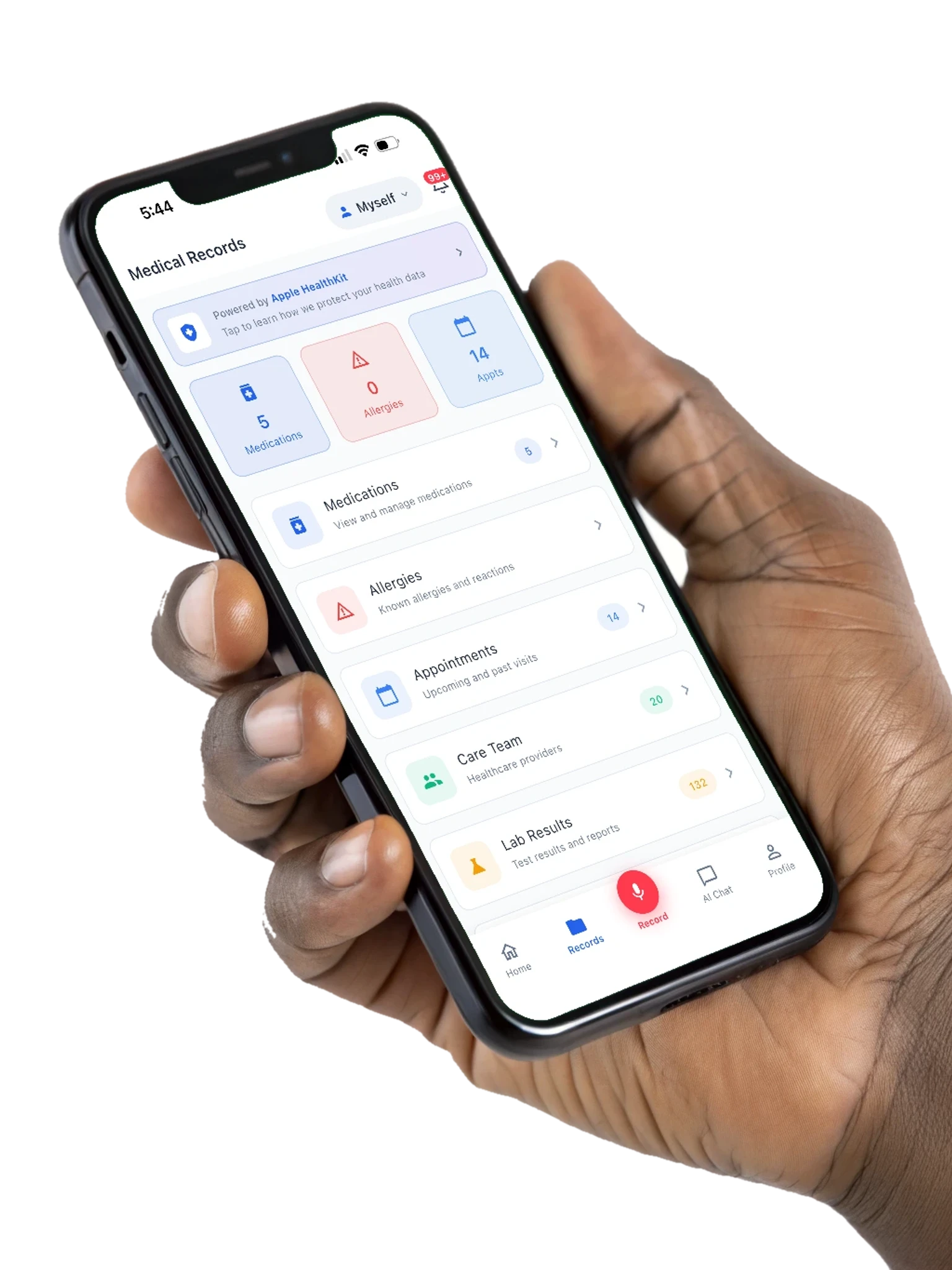
Placeholder for a Patient Timeline/Dashboard Screenshot Image
Mountainview Home Health already had solid clinical software, but nurses still walked into visits without recent hospital, dialysis, or specialist records, and families kept critical details in texts and notebooks that never reached the care team. This meant post‑discharge visits often started with guesswork instead of a clear, up‑to‑date picture of the patient.
With the new platform, outside records from hospitals and specialists feed into a single shared timeline, and family caregivers get secure access to upload discharge papers, note med changes, and log symptoms between visits. Care managers see, in one view, what every clinician did and what the family is actually observing at home.
In a few months, nurses had current discharge summaries and med lists for most post‑hospital visits, caregivers flagged early warning signs sooner, and care managers spent less time hunting for information and more time preventing avoidable hospital returns.