

















Living with a chronic illness often means living with an overwhelming amount of paperwork. When you are managing conditions like autoimmune disorders, cardiovascular disease, or chronic pain, you are rarely seeing just one doctor. You have a primary care physician, multiple specialists, physical therapists, and perhaps a rotating team of diagnostic technicians.
According to recent healthcare data, almost half of adults in the United States have multiple chronic conditions, and these patients account for a staggering 64% of all clinician visits and 83% of prescriptions [1] [2]. The result is a highly fragmented healthcare experience. Your cardiologist has one piece of the puzzle, your endocrinologist has another, and your primary care doctor is trying to make sense of the gaps.
Learning how to effectively manage chronic illness medical records is not just about staying organized; it is a critical component of your care coordination. When your medical history is centralized and easily accessible, you avoid redundant testing, prevent dangerous medication interactions, and empower your specialists to make faster, more accurate decisions. In this guide, we will explore the challenges of fragmented care and how modern, privacy-first digital tools can help you take control of your health data.
The Danger of Fragmented Health Records
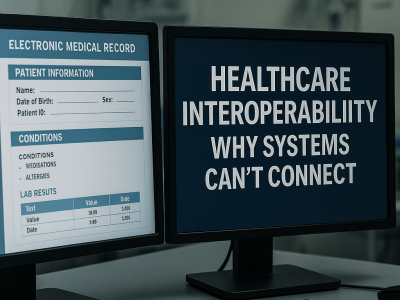
The traditional healthcare system is siloed. While many hospitals have adopted Electronic Health Records (EHRs), these systems rarely communicate perfectly with one another. If you visit a specialist outside of your primary hospital network, your records do not automatically follow you.
For a patient with a complex medical history, this fragmentation is dangerous. It forces the patient to become the primary courier of their own health data. You are expected to remember exact dates of surgeries, specific dosages of past medications, and the nuanced results of years-old imaging scans. When this information is lost or miscommunicated, the consequences range from frustrating delays to severe medical errors.
Patients with highly fragmented care are significantly more likely to visit the emergency department and experience preventable hospital admissions [3]. Effective chronic disease tracking requires a proactive approach to ensure that every provider on your care team has the full, unedited picture of your health.
How to Organize Your Complex Medical History
Moving away from physical binders and scattered patient portal logins is the first step toward better care coordination. Here is how to approach complex medical history organization digitally.
Consolidate Your Patient Portals
If you have been managing a chronic illness for years, you likely have half a dozen different patient portal logins (like Epic MyChart, Cerner, or Athenahealth). The first step is consolidation. You need a central repository where all these disparate records can live together.
Look for a personal health record (PHR) platform that offers direct integration with major hospital systems. For example, MyMedicalRecords.ai allows you to connect directly to Epic MyChart, automatically pulling your latest lab results, visit summaries, and clinical notes into a single, unified dashboard.
Leverage AI for Smart Summaries
One of the most significant challenges of managing chronic illness medical records is simply understanding them. Clinical notes are written by doctors, for doctors. They are dense with medical jargon and abbreviations.
This is where artificial intelligence is transforming patient empowerment. Instead of staring at a 10-page discharge summary trying to decipher what matters, advanced platforms use AI to generate smart summaries. These tools read your raw medical data and translate it into plain English, highlighting key diagnoses, actionable next steps, and critical changes in your lab work over time.
Build a Multi-View Timeline
Chronic illness is a journey, not a single event. When you see a new specialist, they need to understand the progression of your symptoms and treatments over months or years. Organizing your records chronologically into a multi-view timeline allows doctors to quickly spot patterns that might be invisible when looking at isolated test results.
Why Privacy Must Be Your Top Priority
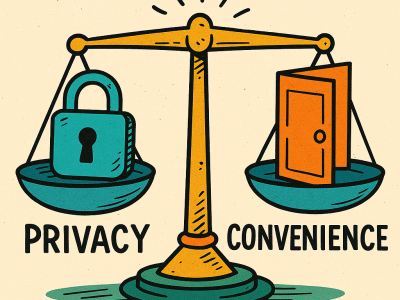
As you move your medical records into a digital environment, data privacy must be your primary concern. Health data is incredibly sensitive, and the market is flooded with free apps that monetize your information.
When choosing a platform to manage your chronic illness medical records, you must look beyond the features and examine the business model.
At MyMedicalRecords.ai, our infrastructure is built on two foundational pillars:
- No VC or PE Ownership: We are not funded by venture capital or private equity. This means we answer to our users, not to investors demanding rapid monetization of data. We never sell or share your personal health information.
- U.S.-Based Servers: Your records are stored securely on servers located exclusively in the United States, protected by strict national privacy and data security laws.
Your medical data stays yours—private, protected, and fully under your control.
Taking Control of Your Care Coordination
Managing a chronic illness is exhausting enough without the added burden of being your own administrative assistant. By centralizing your health data in a secure, AI-powered platform, you can shift your focus from chasing paperwork to focusing on your actual health and well-being.
When your records are organized, you can walk into any specialist’s office with confidence, knowing you have your complete medical history ready to share securely with a single click.
Ready to take control of your health data? Start organizing your medical records today with a free MyMedicalRecords.ai account.
Frequently Asked Questions (FAQ)
What is the best way to manage medical records for a chronic illness? The most effective method is using a secure, digital Personal Health Record (PHR) platform that integrates with your existing hospital portals (like Epic MyChart). This allows you to centralize all lab results, imaging, and clinical notes in one accessible location, making it easy to share your complete history with new specialists.
How can AI help me understand my medical records? AI-powered health platforms can analyze dense, jargon-heavy clinical notes and lab results, translating them into plain-English summaries. This helps patients with complex conditions quickly understand their diagnoses, track changes in their health over time, and prepare informed questions for their next doctor’s visit.
Are digital medical record apps secure? Security varies significantly between apps. To ensure your data is safe, choose a platform that explicitly states it does not sell user data, operates on U.S.-based servers, and is independently owned without venture capital pressure to monetize health information.
References
[1] Doose, M., et al. (2025). Health Care Models for Persons with Multiple Chronic Conditions. PubMed Central. https://pmc.ncbi.nlm.nih.gov/articles/PMC12343438/
[2] Ouellet, G. M., et al. (2024). Challenges in Health Care for Persons With Multiple Chronic Conditions. JAMA Network Open. https://jamanetwork.com/journals/jamanetworkopen/fullarticle/2824982
[3] The Commonwealth Fund. (2018). Fragmented Care Chronic Conditions Overuse Hospital Services. https://www.commonwealthfund.org/publications/journal-article/2018/oct/fragmented-care-chronic-conditions-overuse-hospital